
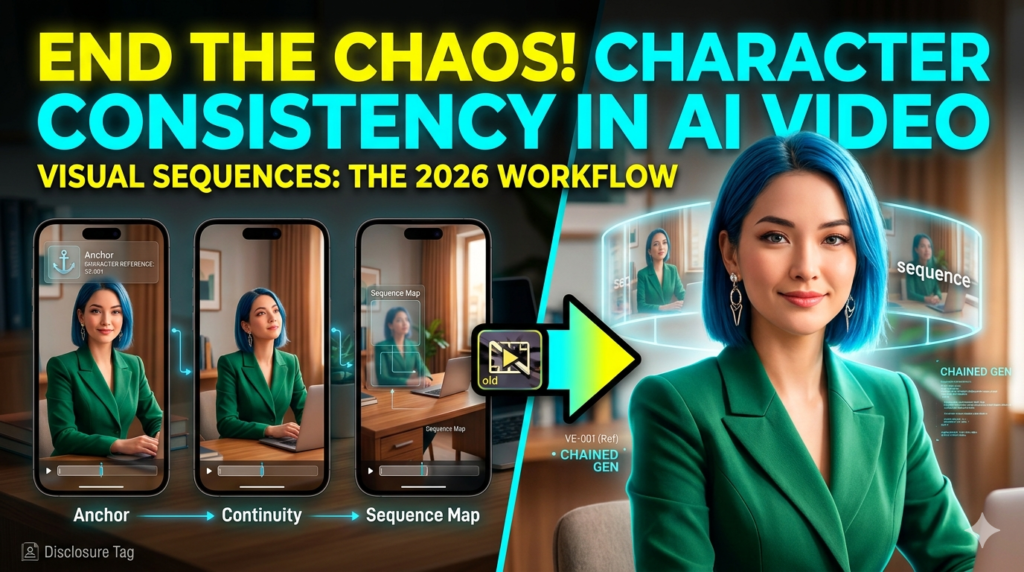
If you’ve been playing with AI video tools over the last year, you know the struggle. You generate a beautiful 5-second clip of a character, but when you try to make a second clip, they look like a completely different person.
That era is officially over.
In April 2026, the biggest trend in AI isn’t just making better video; it’s making consistent video. We’ve moved from “Video Clips” to “Visual Sequences.” Here is why this shift is going viral and how you can use it to dominate your social media feeds.
What are Visual Sequences?
In the early days of AI (think 2024–2025), every generation was a roll of the dice. A “Visual Sequence” is different. It’s a workflow where the AI maintains Character and Object Consistency across multiple shots.
Whether it’s a digital spokesperson for a brand or a hero in a short film, the character’s face, clothing, and the environment stay the same from Shot A to Shot Z. This allows for episodic storytelling—the kind of content that actually builds a loyal following.
Why This is the Ultimate SEO & Engagement Hack
- The “Binge” Factor: When characters are consistent, viewers stick around for “Part 2” and “Part 3.” Algorithms on Instagram, TikTok, and YouTube reward this “sequence-based” watch time.
- Brand Identity: You can now create a “Virtual Brand Ambassador” that looks the same in every Reel, without ever hiring an actor or picking up a camera.
- Search Intent: People aren’t just searching for “AI video” anymore. They are searching for “How to make consistent AI characters” and “AI storytelling tools.” Ranking for these terms is the new frontier of SEO.
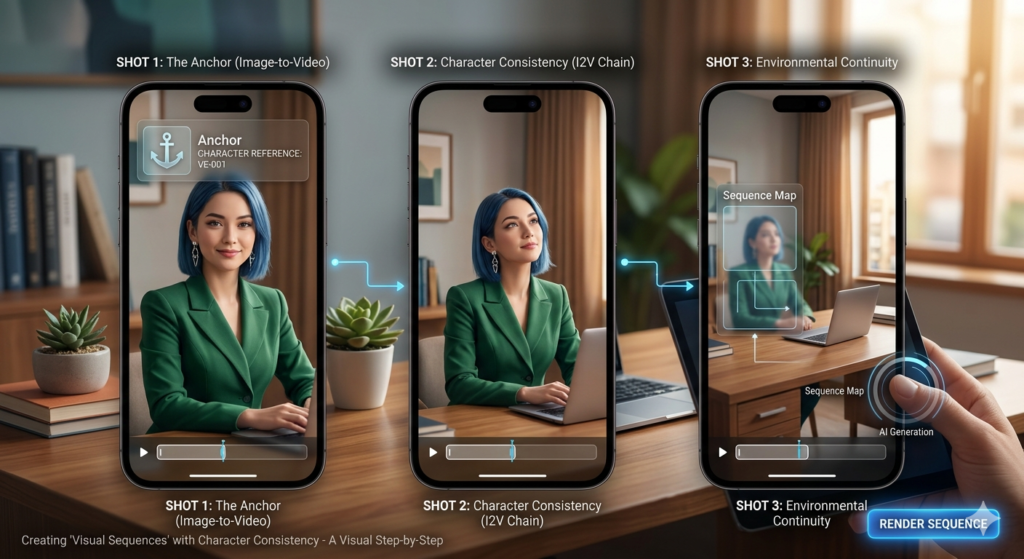
How to Build a Visual Sequence (The 2026 Workflow)
To go viral today, you can’t just prompt and pray. You need a “Character DNA” strategy:
- Establish the Anchor: Use a tool like Midjourney –cref or Google Veo 3.1 to create your “Master Image.” This is the visual blueprint the AI will refer back to.
- The Reference Pack: Don’t just generate one shot. Generate a “Character Pack”—the same character from the front, side, and back. This gives the AI a 360-degree understanding of your subject.
- Image-to-Video (I2V) Chains: Instead of typing a text prompt for each scene, use your consistent images as the “starting frame” for your video generator (like Runway Gen-4.5 or Luma Ray3). This ensures the video starts with the right face and outfit every single time.
- Native Vertical Output: Ensure you are using models that support native 9:16 aspect ratios. Stretching or cropping a horizontal AI video in 2026 is a surefire way to get flagged as “low quality” by the algorithm.

The Verdict: Storytelling > Demos
The “Wow” factor of AI is gone. People are bored of random high-definition clips of cats in space. What they want is narrative.
By mastering Visual Sequences, you stop being a “prompt engineer” and start being a Digital Director. You aren’t just making clips; you’re building a universe. And in the 2026 attention economy, the person who owns the universe wins the followers.
Credit: Gemini AI https://gemini.google.com/app